Recognizing Signs of Dehydration in Seniors
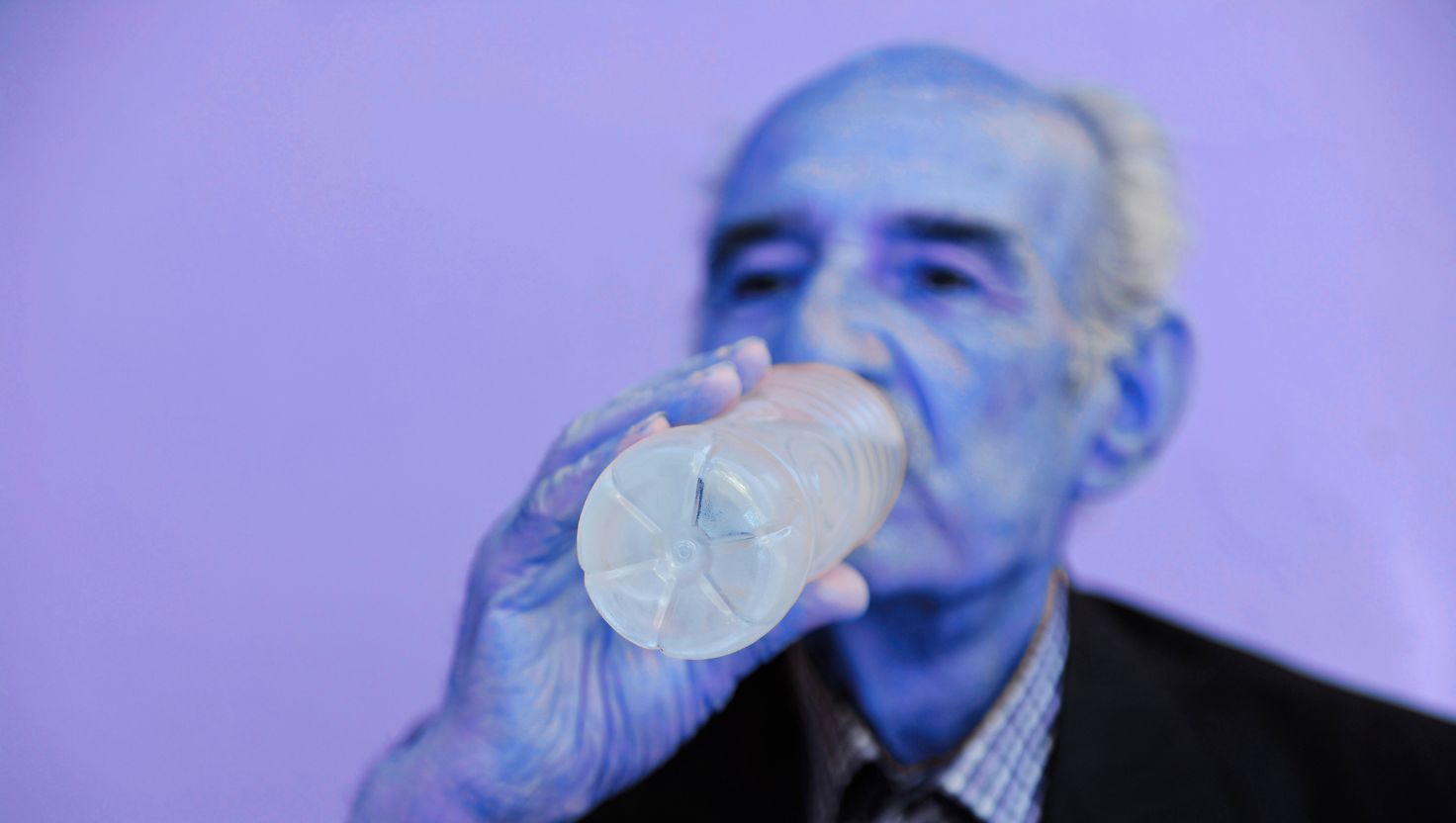
Dehydration is a common and serious problem among older adults. As we age, our bodies have less water content, and the sensation of thirst can diminish, making it harder to recognize when we need to drink. Medications, chronic illnesses, and reduced mobility can also contribute to dehydration risk. Recognizing the signs early is crucial to prevent severe health complications.
Common Signs and Symptoms of Dehydration in Seniors
Dehydration can manifest in various ways, from mild to severe. Be vigilant for these indicators:
- Thirst (though often diminished in seniors): While thirst is the primary indicator for younger individuals, older adults may not feel thirsty even when dehydrated.
- Dry Mouth and Tongue: A sticky, dry mouth and a dry tongue are classic signs.
- Reduced Urination: Fewer trips to the bathroom, or dark yellow, concentrated urine.
- Fatigue and Weakness: Feeling unusually tired, lethargic, or weak.
- Dizziness or Lightheadedness: Especially when standing up quickly, which can increase fall risk.
- Headache: A common symptom of mild to moderate dehydration.
- Muscle Cramps: Electrolyte imbalances due to dehydration can cause muscle cramps.
- Confusion or Disorientation: In more severe cases, seniors may become confused, disoriented, or even delirious.
- Sunken Eyes: Eyes may appear sunken.
- Dry Skin and Reduced Skin Turgor: When you gently pinch the skin on the back of the hand, it may not snap back quickly.
- Low Blood Pressure and Rapid Heart Rate: These are signs of more severe dehydration.
Why Seniors Are More Susceptible
- Decreased Thirst Sensation: The body's ability to detect thirst diminishes with age.
- Kidney Function Changes: Kidneys become less efficient at conserving water.
- Medications: Diuretics (water pills) and other medications can increase fluid loss.
- Chronic Illnesses: Conditions like diabetes or kidney disease can affect fluid balance.
- Mobility Issues: Difficulty getting up to get drinks, or fear of incontinence.
Prevention is Key
Encourage regular fluid intake throughout the day, even if not thirsty. Offer water, diluted juices, clear broths, and water-rich foods like fruits and vegetables. Keep drinks easily accessible. For more tips on essential nutrition for older adults, see our article: Essential Nutrition Tips for Older Adults.
Understanding and preventing dehydration is a critical aspect of senior care. For comprehensive guidance on maintaining health and wellness in older adults, The Home Doctor: Practical Medicine for Every Household offers invaluable insights and practical strategies.
Watch Video & Ensure Proper Hydration!