Affiliate Disclaimer: This site contains affiliate links. If you purchase through these links, we may earn a commission at no extra cost to you. Your support helps us provide valuable content.
How to Treat a Child's Minor Burn
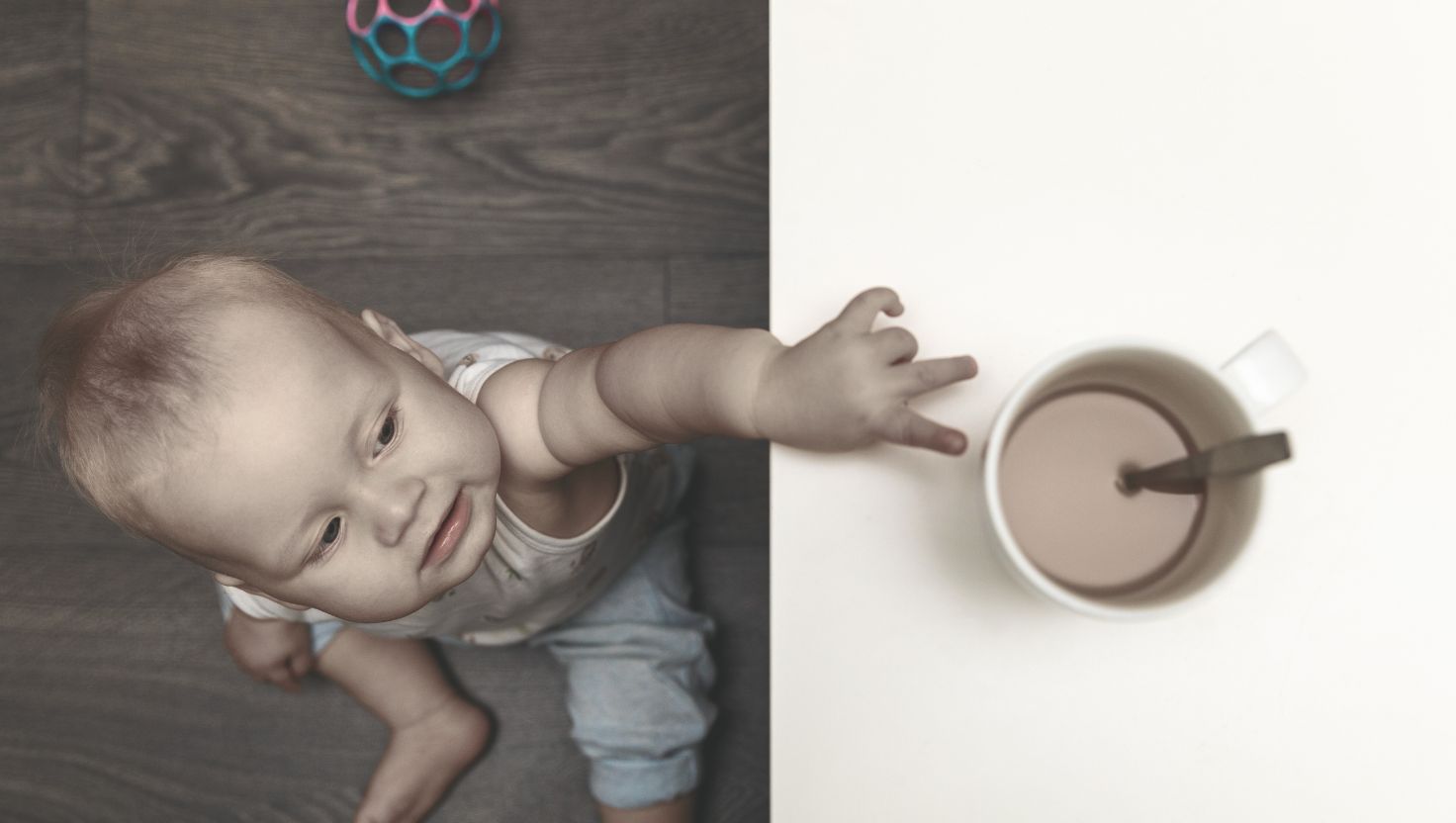
Children, with their natural curiosity and developing coordination, are prone to minor burns from hot liquids, surfaces, or even prolonged sun exposure. Knowing how to quickly and effectively treat a child's minor burn can alleviate pain, prevent further damage, and promote healing. This guide focuses on first-degree and small, superficial second-degree burns.
Immediate Steps for a Child's Minor Burn
- Cool the Burn Immediately: This is the most critical step. Hold the burned area under cool (not cold or icy) running water for at least 10-20 minutes. You can also use a cool, wet compress. Do NOT use ice directly on the burn, as it can cause frostbite and further tissue damage, especially on a child's delicate skin.
- Remove Clothing/Jewelry: Gently remove any clothing or jewelry from the burned area, unless it's stuck to the skin. Do this quickly before swelling begins.
- Do NOT Break Blisters: If small blisters form, do not pop them. They provide a natural protective barrier against infection. If a blister breaks on its own, gently clean the area with mild soap and water and apply an antibiotic ointment.
- Apply a Soothing Agent: After cooling, a thin layer of aloe vera gel or a pediatrician-approved moisturizing lotion can be applied to soothe the skin. Avoid butter, oils, or other home remedies, as they can trap heat and increase the risk of infection.
- Cover Loosely: If the burn is in an area prone to friction or dirt, loosely cover it with a sterile, non-stick bandage. Ensure the bandage is not tight.
- Pain Relief: For pain, you can give your child age-appropriate doses of acetaminophen (Tylenol) or ibuprofen (Advil, Motrin). Always follow dosage instructions carefully based on your child's weight.
When to Seek Medical Attention for a Child's Burn
Always seek professional medical attention for a child's burn if:
- The burn is larger than the child's palm.
- The burn is on the face, hands, feet, genitals, or a major joint.
- The burn appears deep (third-degree burn, characterized by white, charred, or numb skin).
- Blisters are large or cover a significant area.
- The child is in severe pain that is not relieved by medication.
- Signs of infection develop (increased redness, swelling, pus, fever).
- You are unsure about the severity of the burn.
For comprehensive guidance on treating various types of burns and other childhood medical emergencies, The Home Doctor: Practical Medicine for Every Household is an essential resource. It provides clear, step-by-step instructions to empower you in critical situations.
Watch Video & Protect Your Child from Burns!